Preserving Pāli Heritage Through Sri Lanka–Thailand Scholarly Collaboration
20 August 2026 | Bangkok, Thailand
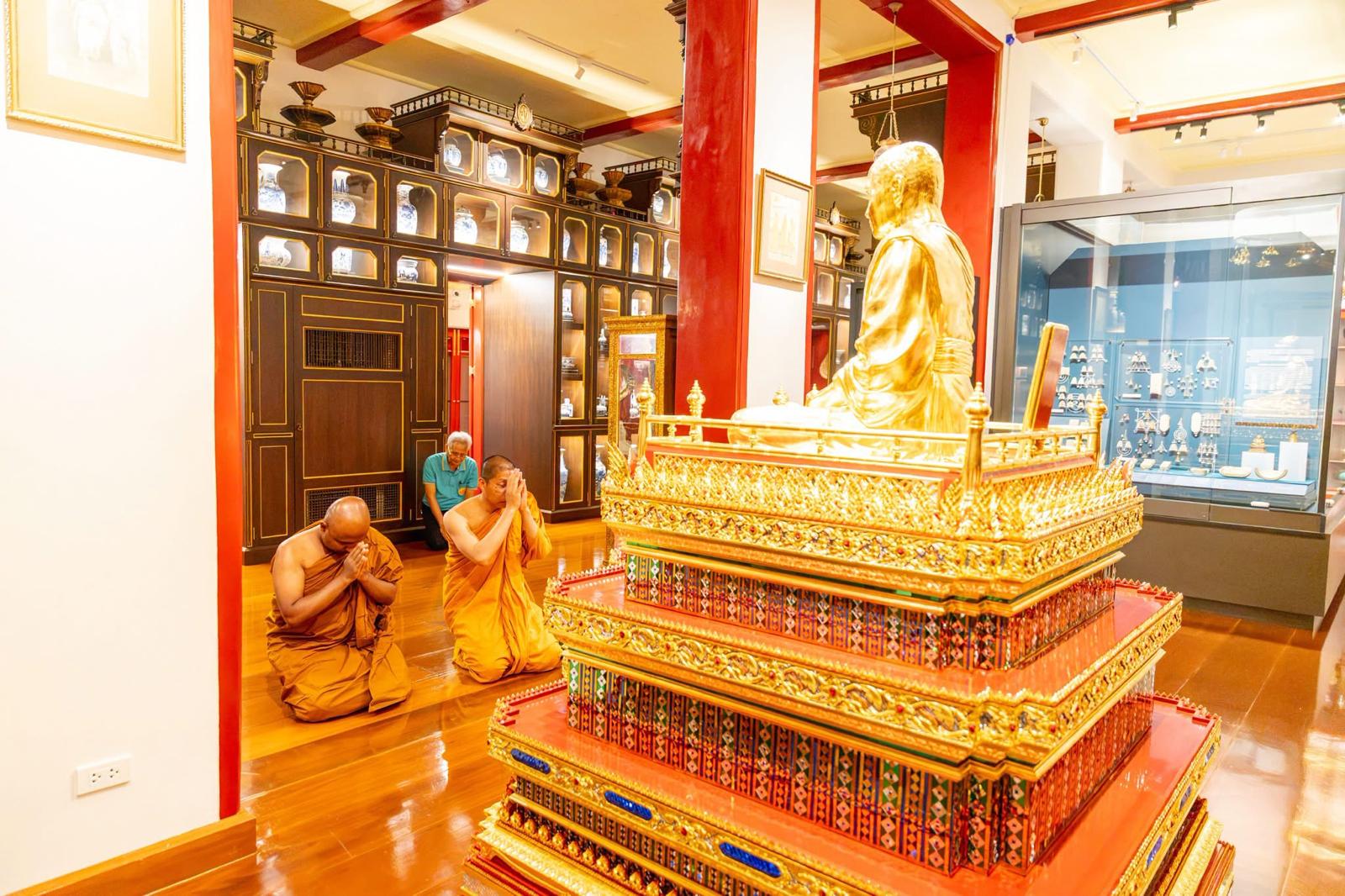
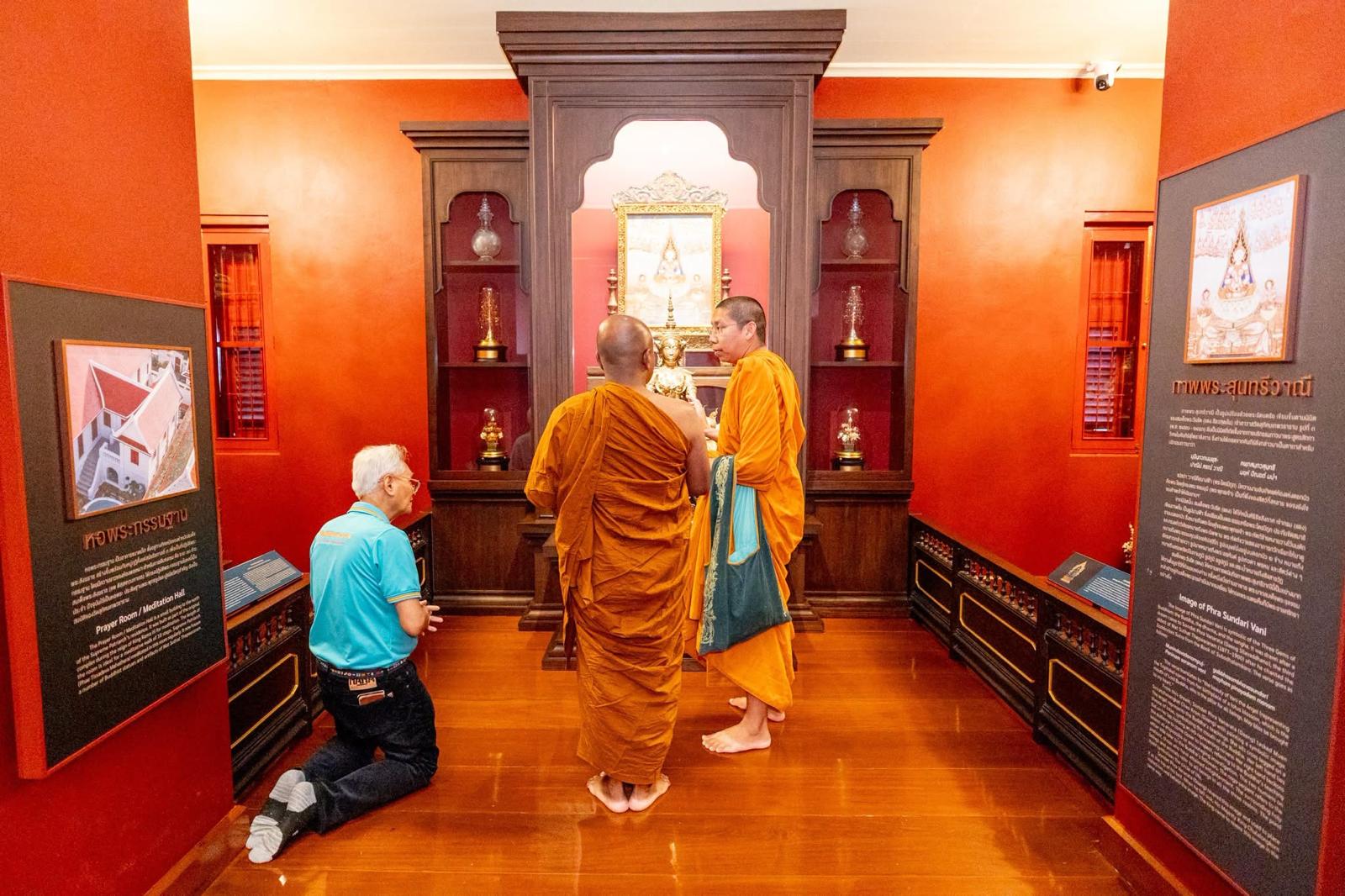
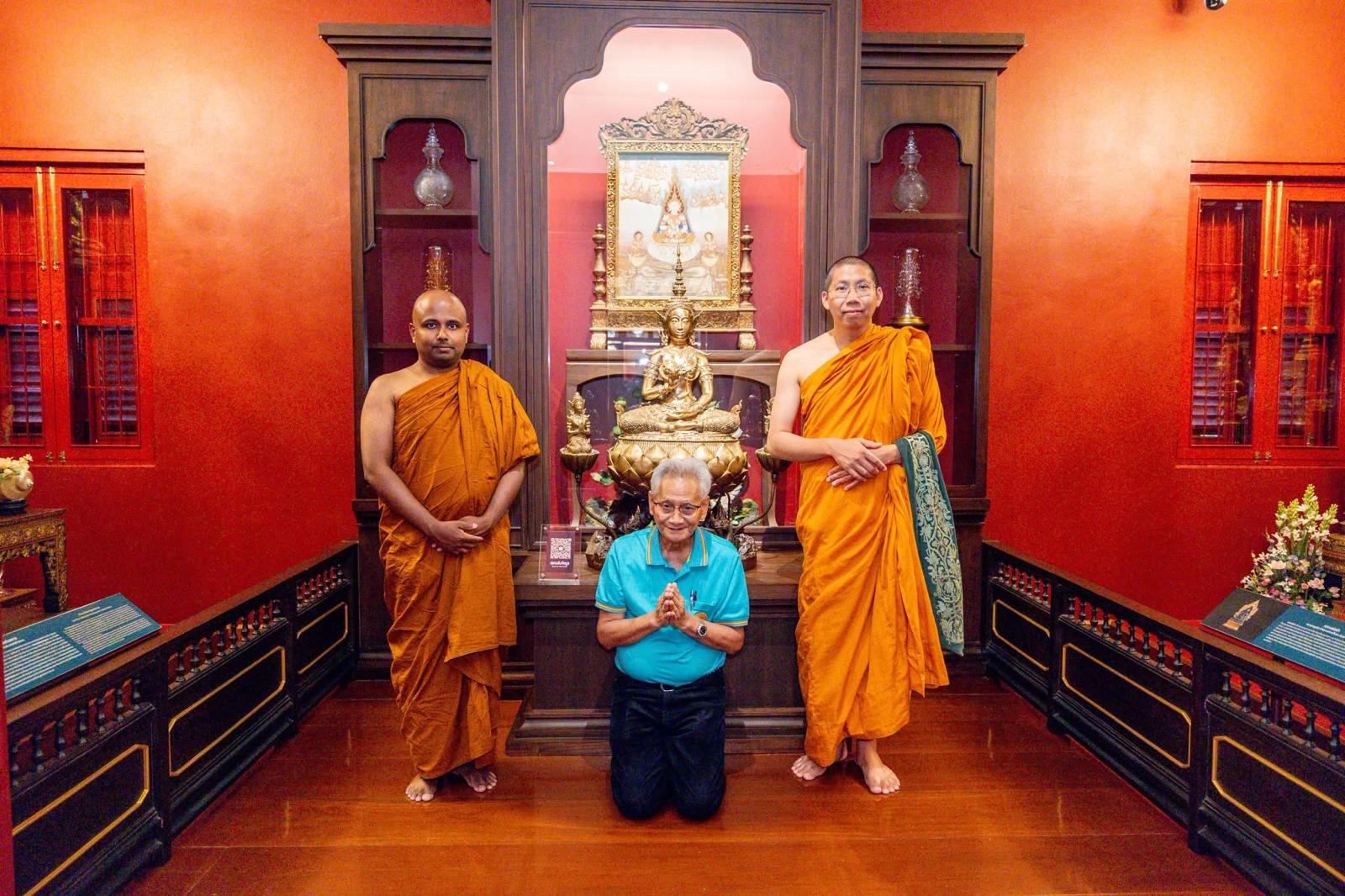
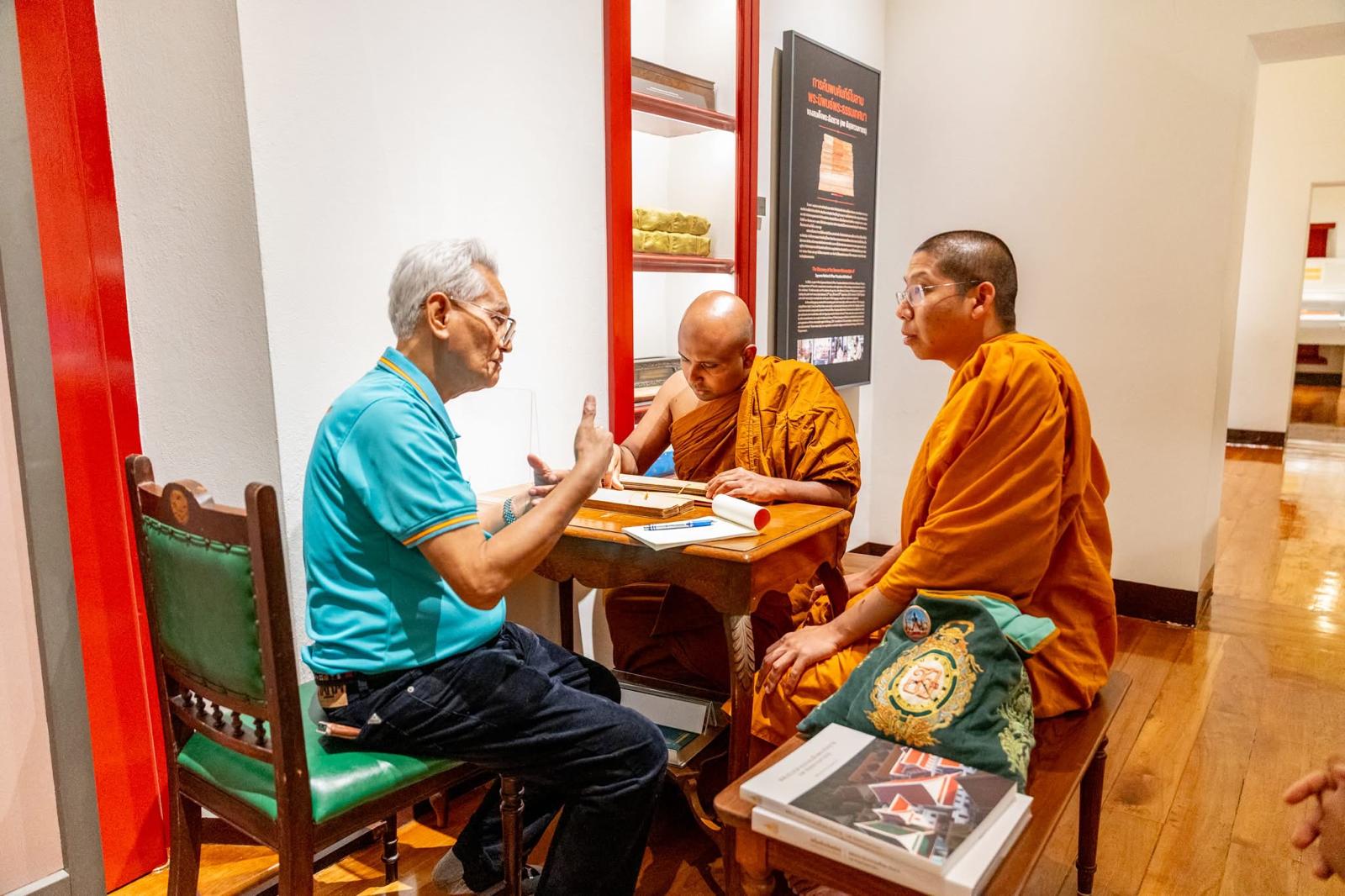
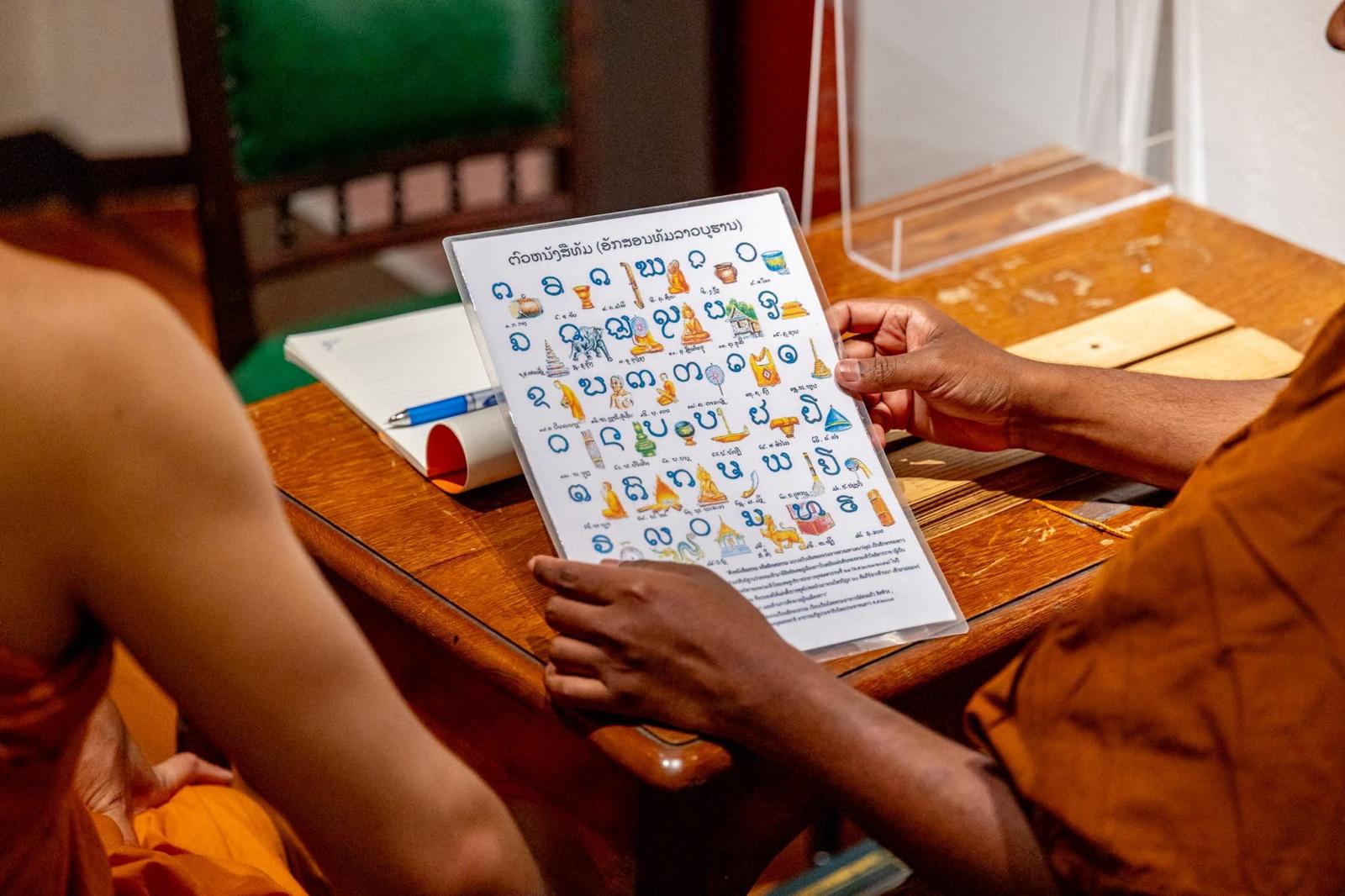
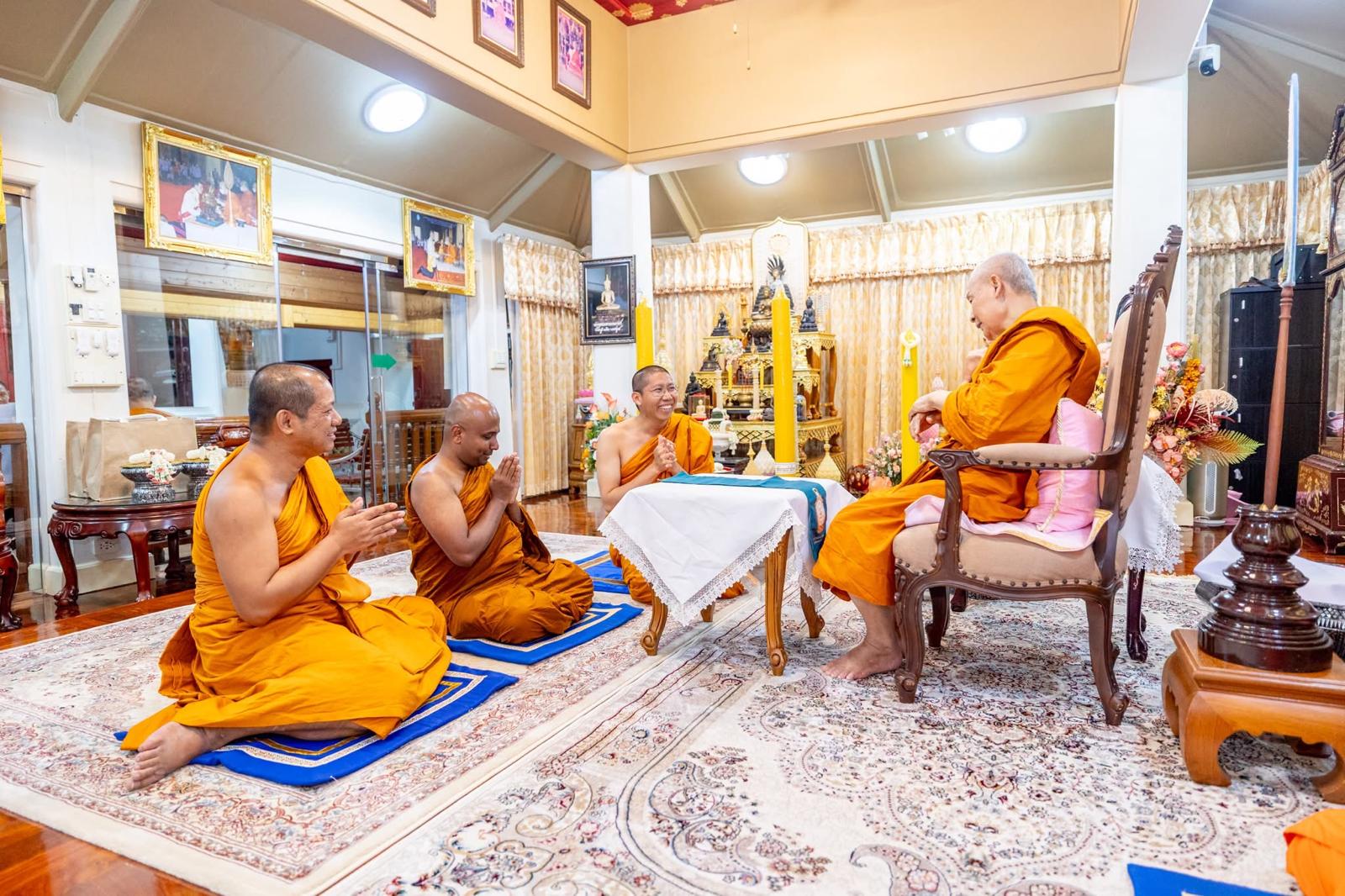
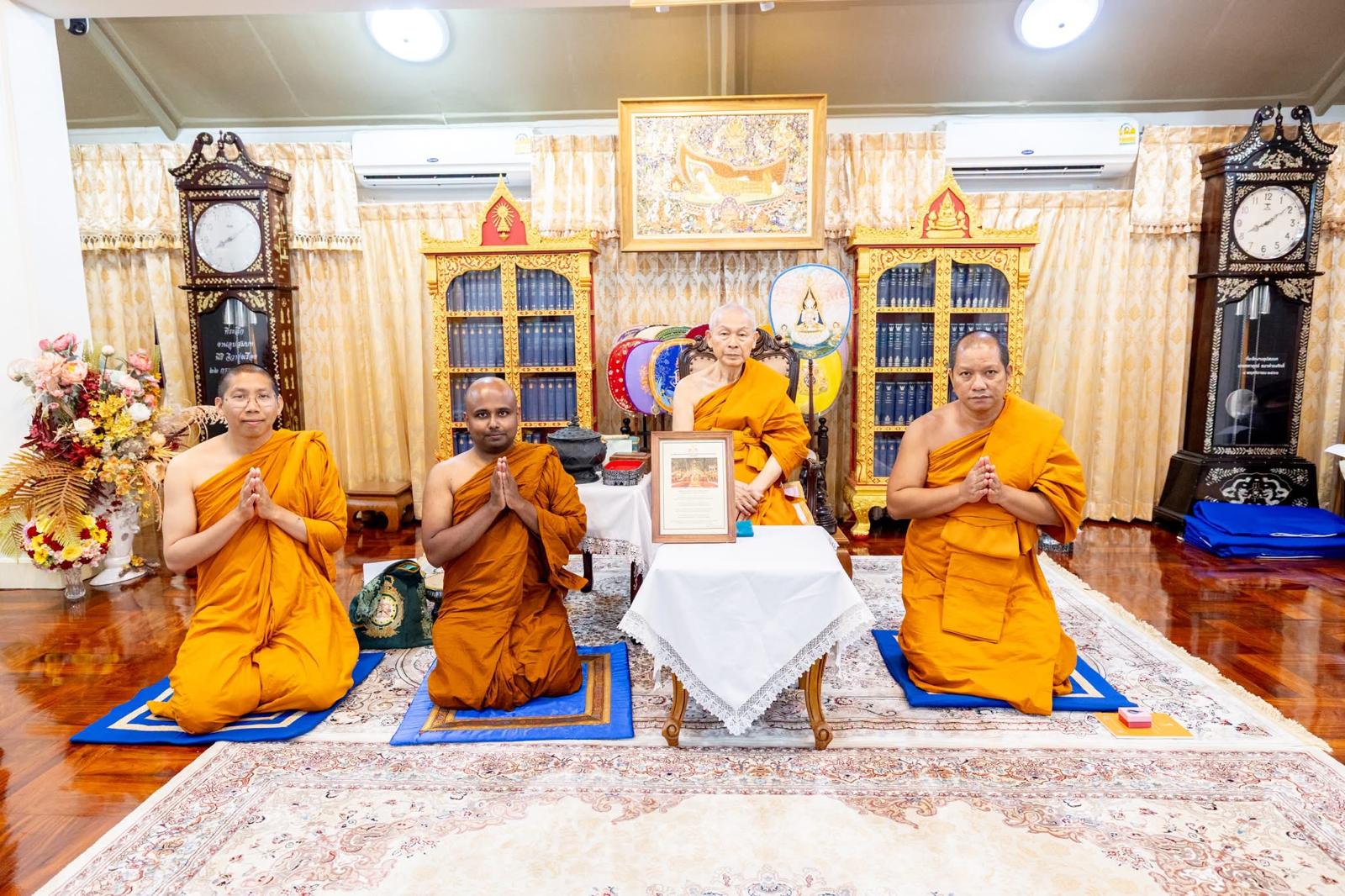
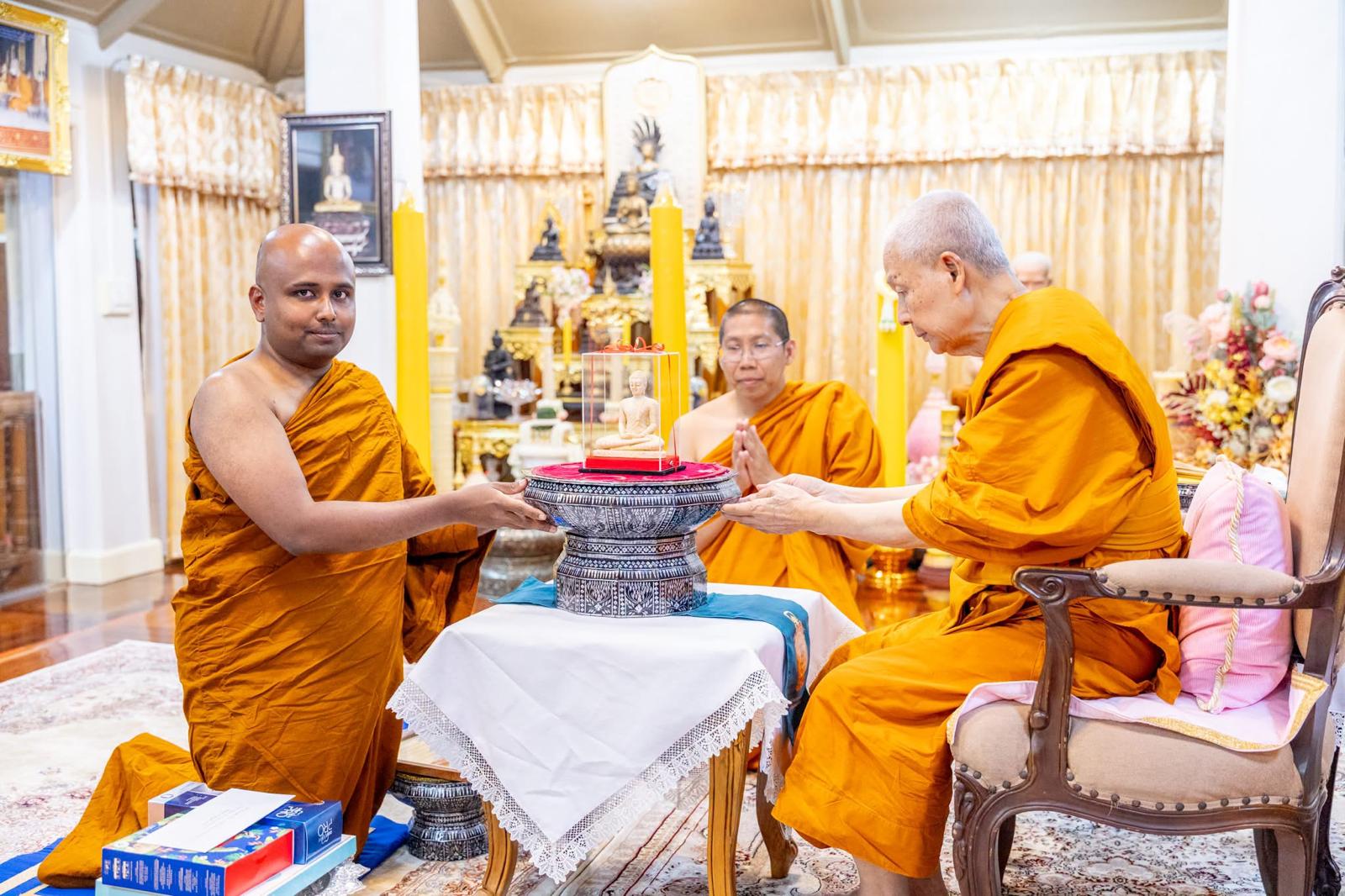
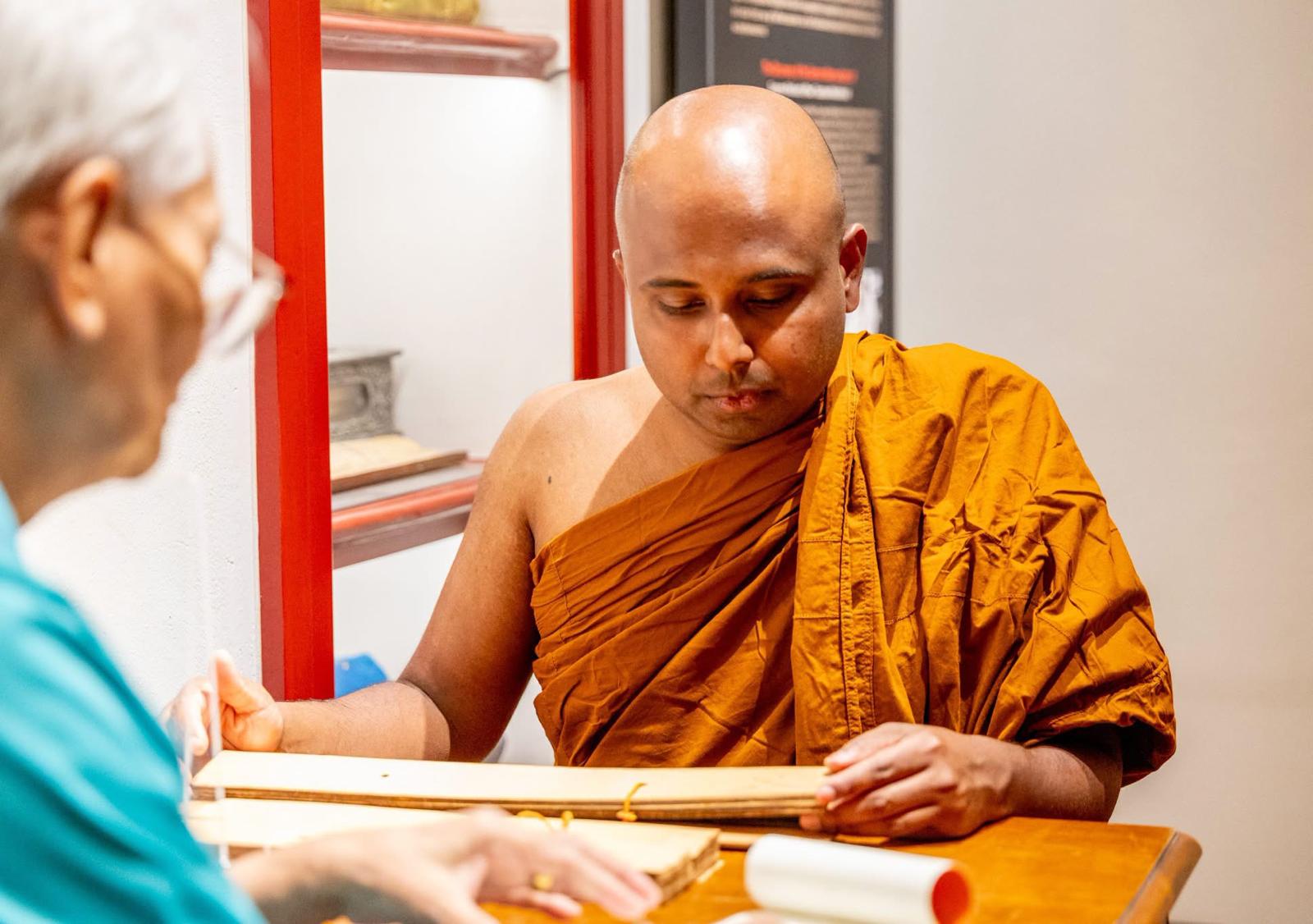
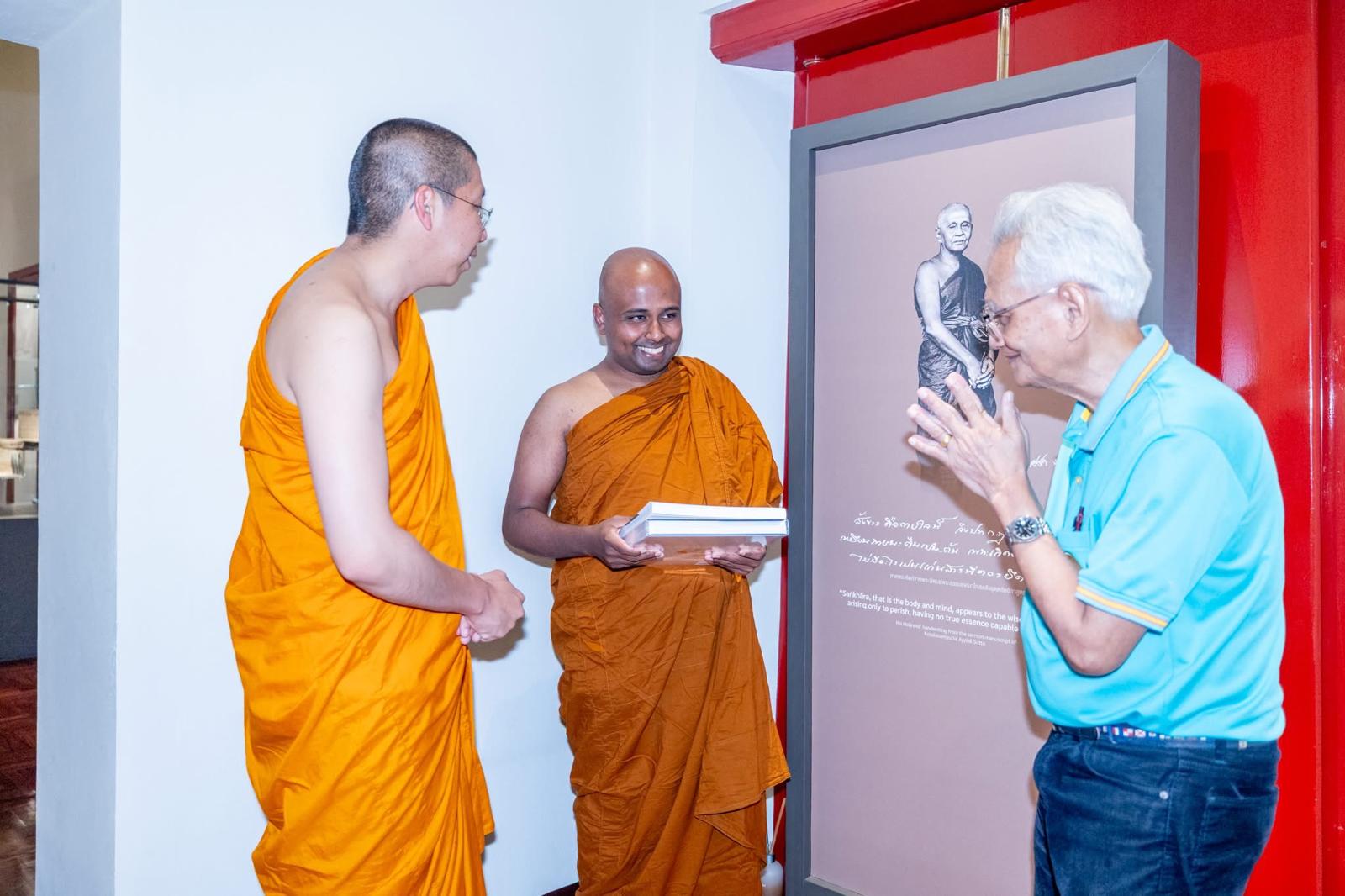
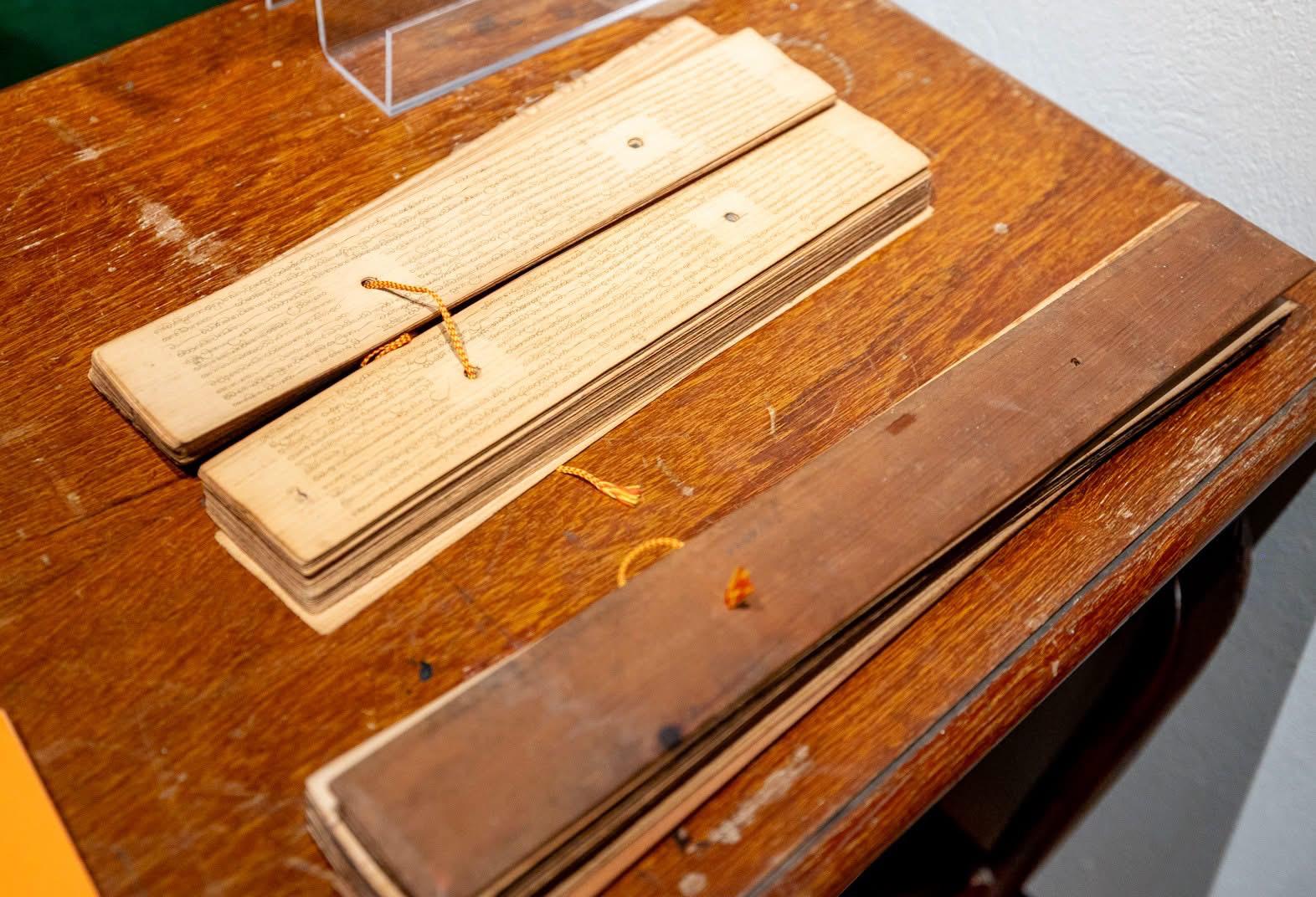
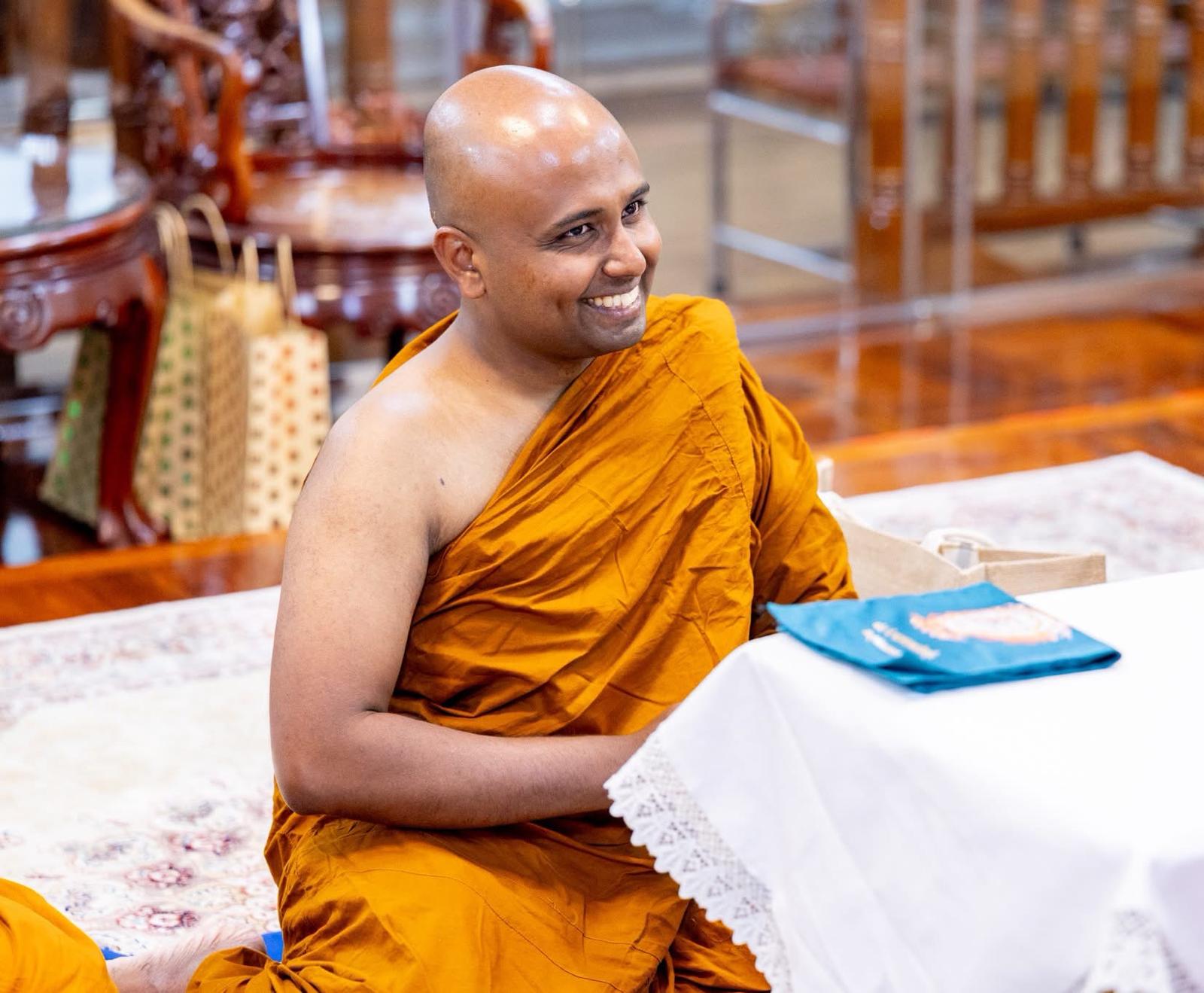
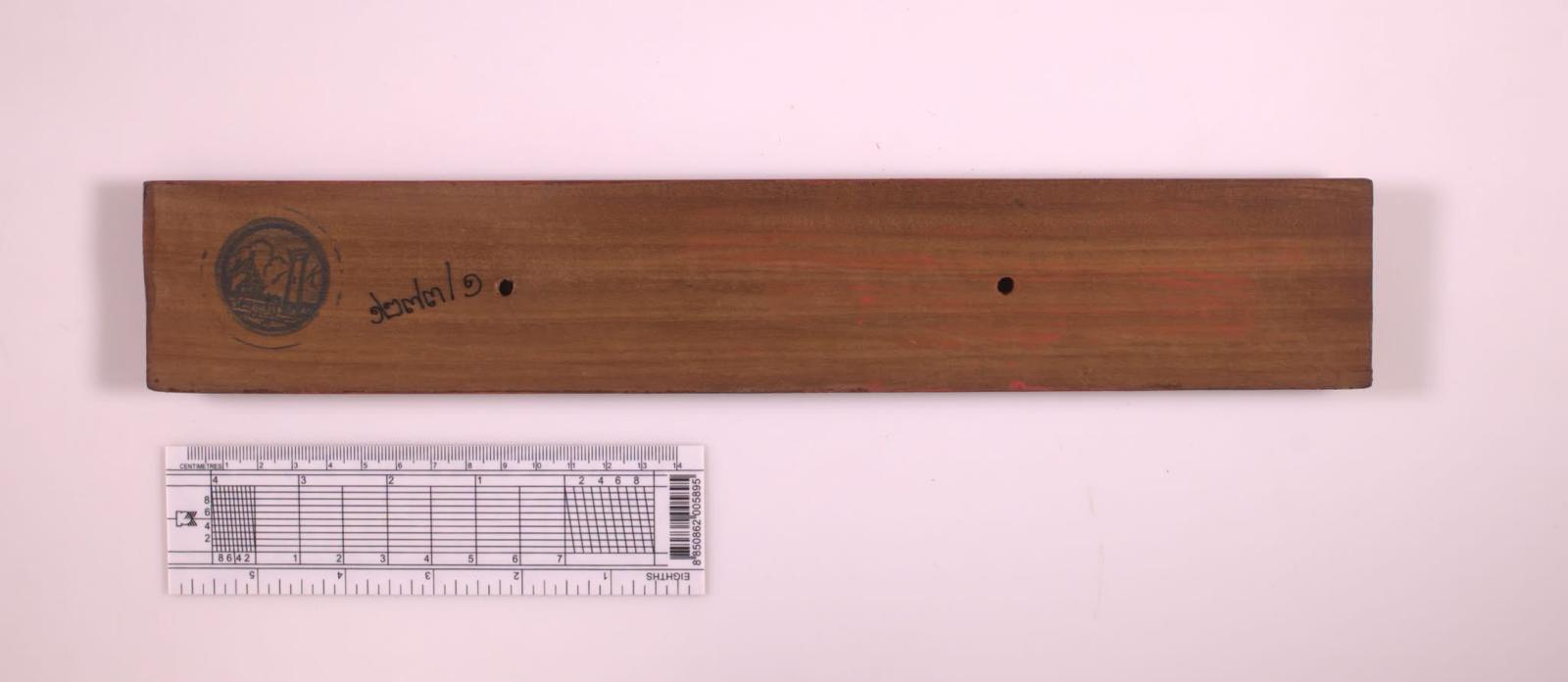
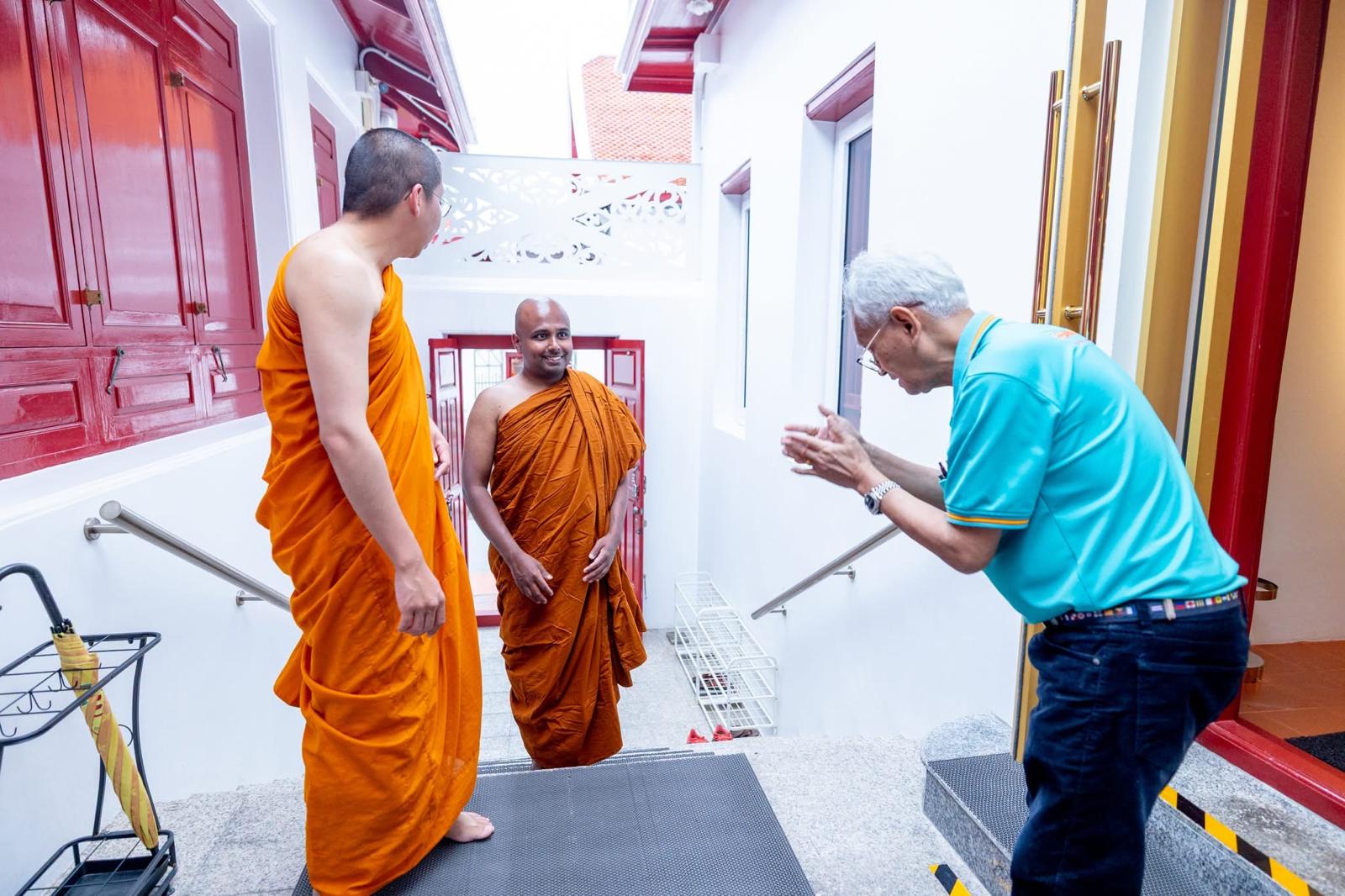
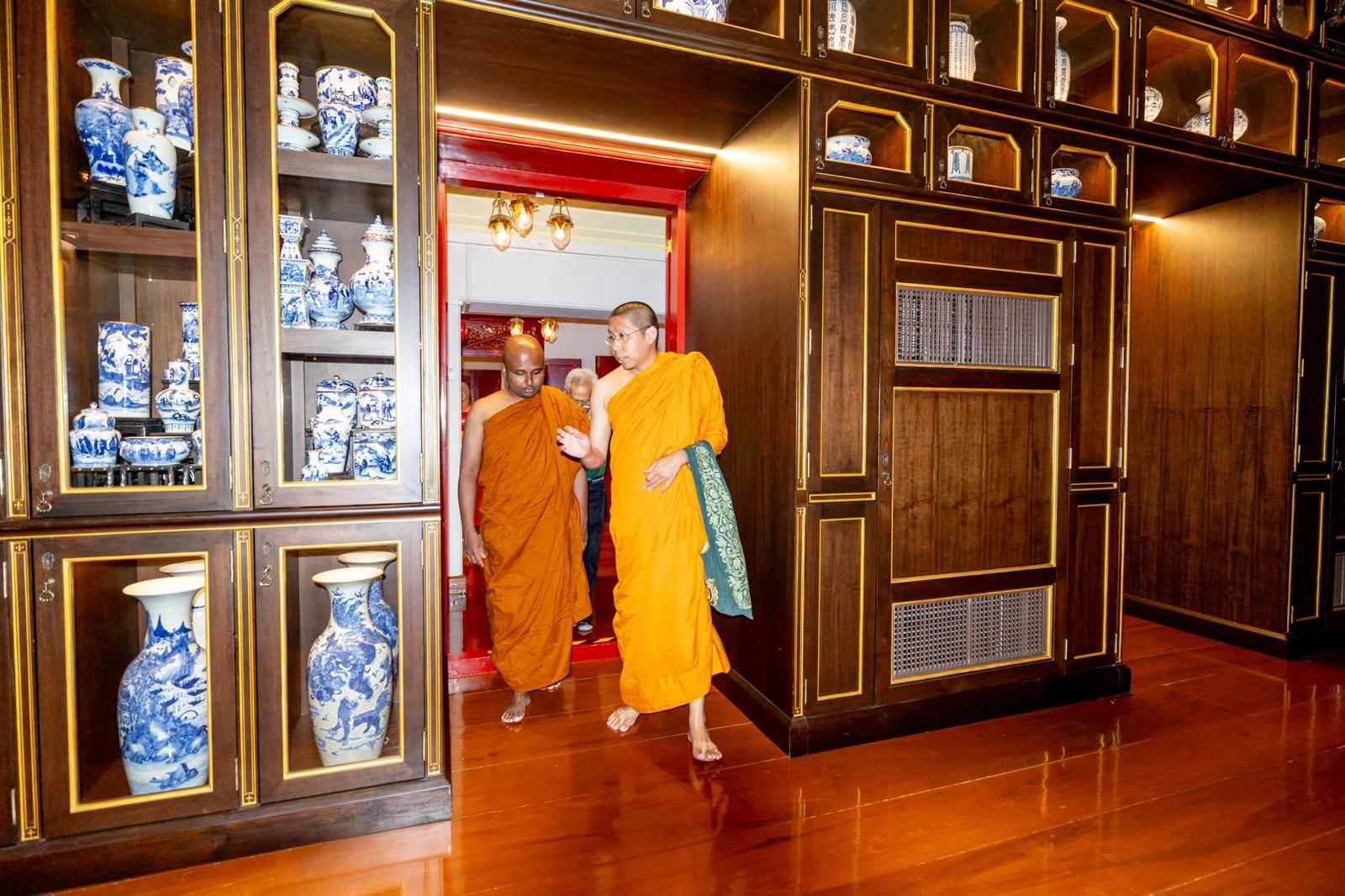
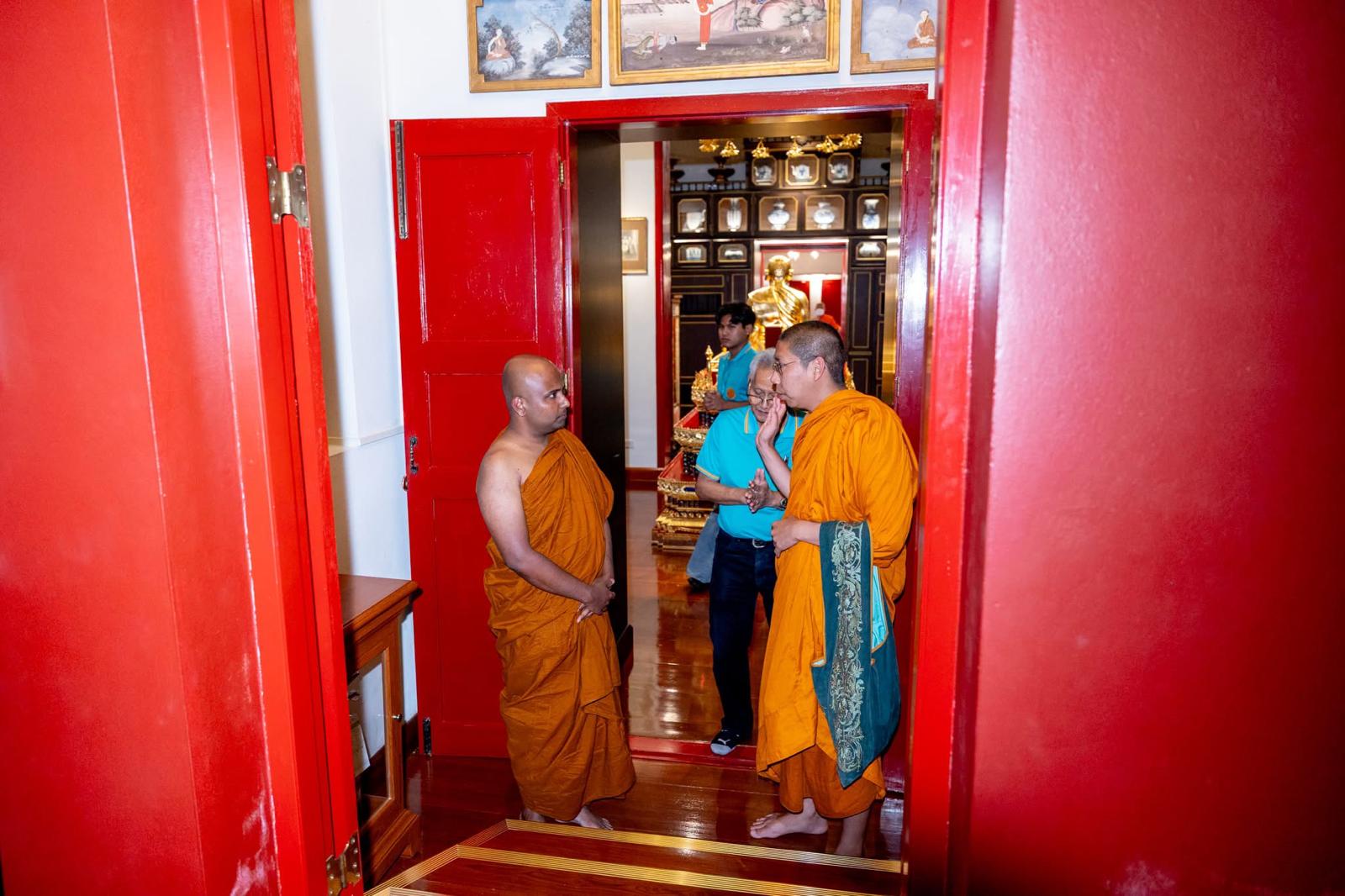
A meaningful scholarly collaboration has begun to support the preservation and transmission of two important works from the Sinhala and Pāli literary traditions. Ven. Wadigala Samitharathana (MA, London; MPhil, Oxford), Head Monk of the Oxford Centre of Theravāda Buddhism, United Kingdom, was graciously invited to examine and read two venerable Buddhist texts: the Bodhivaṃsa and the Padarūpasiddhi.
Bodhivaṃsa — The Chronicle of the Bodhi Tree
The Bodhivaṃsa is a celebrated chronicle recounting the sacred history of the Bodhi Tree and the bringing of its southern branch to Sri Lanka by Saṅghamittā Therī, daughter of Emperor Aśoka. The manuscript is traditionally believed to have accompanied a Bodhi sapling brought from Anurādhapura to Thailand during the reign of King Rama II. Bodhi saplings associated with this tradition were planted at several important locations, including Wat Suthat Thepwararam, Wat Mahathat Yuwaratrangsarit, Wat Saket, Nakhon Si Thammarat, and Kelantan.
Padarūpasiddhi — A Classical Pāli Grammar
The Padarūpasiddhi is an important classical treatise on Pāli grammar and forms part of the long grammatical tradition through which the language of the Buddha’s teachings has been studied, preserved, and transmitted across generations. Its continued study remains significant for both traditional Buddhist education and modern scholarship, providing an important foundation for the understanding and interpretation of Pāli texts.
A Collaborative Preservation Project
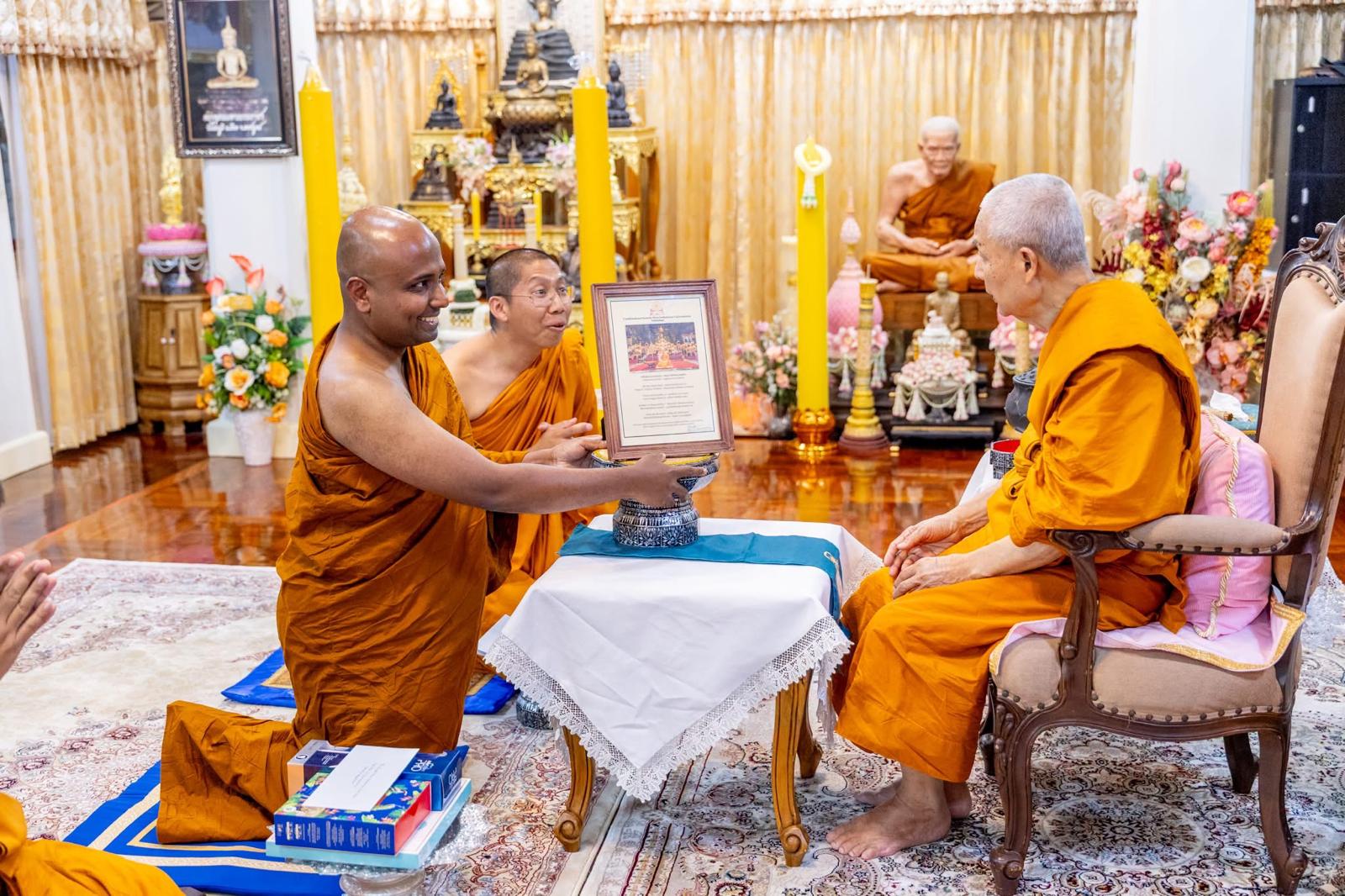
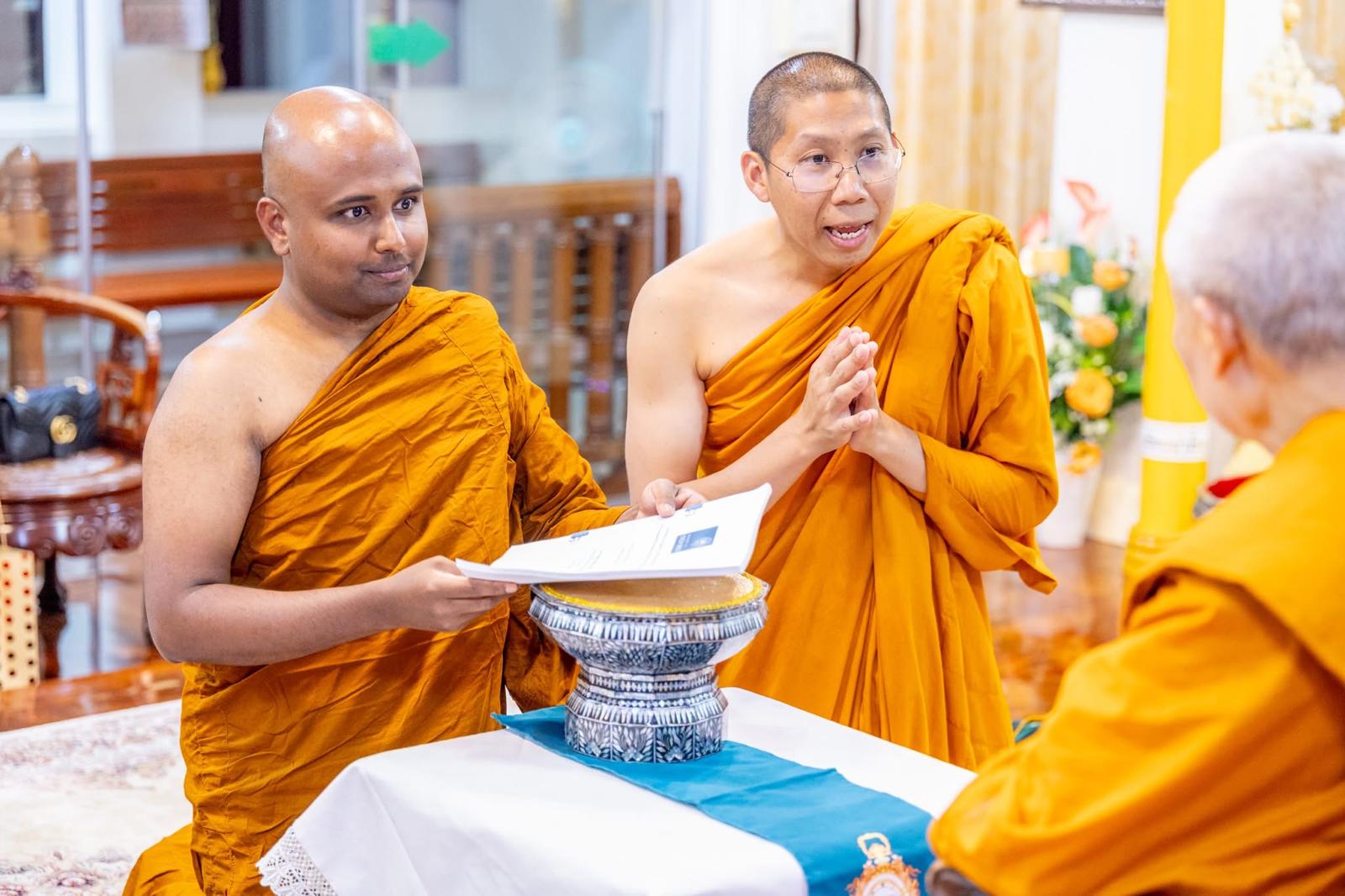
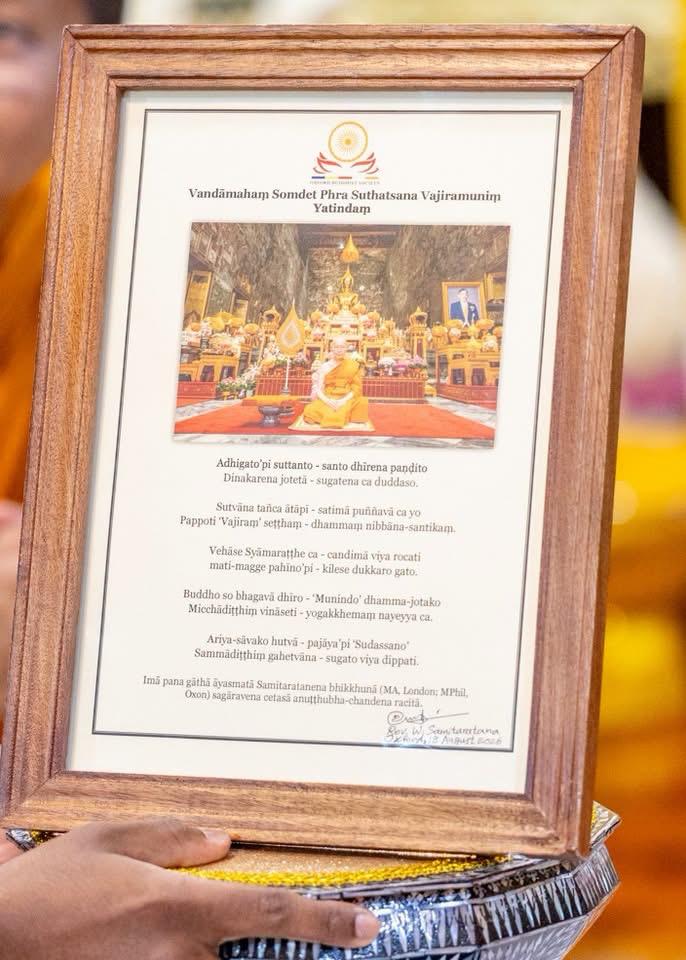
As part of this scholarly initiative, Ven. Samitharathana has undertaken to transcribe the texts into Pāli using Roman script, helping to make the material more accessible for further study and preservation. Following this work, Phra Maha Wattana Dhammanusari (P.Dh. 9), Assistant Abbot of Wat Suthat Thepwararam, will undertake the translation of the texts into Thai. The collaboration represents a valuable connection between the Buddhist scholarly traditions of Sri Lanka and Thailand, bringing together monastic learning, textual preservation, and contemporary academic engagement.
It also reflects the enduring role of Pāli scholarship in strengthening relationships across Theravāda Buddhist communities and ensuring that important literary and spiritual traditions remain accessible to future generations. May this collaboration continue to strengthen the longstanding scholarly and spiritual bonds between Sri Lanka and Thailand, and may the wisdom preserved within these venerable texts continue to illuminate generations to come.

Oxford Buddhist Society